In modern industrial operations, efficient lifting and material handling equipment plays an important role in improving productivity, reducing labor intensity, and creating safer working environments. From warehouses and factories to construction sites, logistics centers, workshops, and loading areas, businesses need reliable equipment to move, lift, pull, and transport heavy materials every day.
As a professional manufacturer of lifting and material handling equipment, we provide a wide range of practical solutions, including manual pallet trucks, electric pallet trucks, cranes, truck-mounted cranes, manual hoists, electric hoists, and winches. These products are designed to meet different working conditions and help customers complete daily handling tasks with greater efficiency and safety.
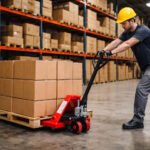
Manual pallet trucks are widely used for short-distance pallet transportation in warehouses, supermarkets, factories, and logistics centers. They are simple to operate, easy to maintain, and cost-effective for daily material movement. For higher handling efficiency and reduced labor intensity, electric pallet trucks offer powered driving and electric lifting functions, making them ideal for frequent pallet transportation and heavier workloads.
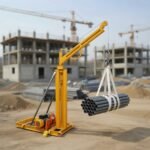
For lifting applications, cranes and truck-mounted cranes provide strong support for loading, unloading, positioning, and moving heavy goods. They are commonly used in construction sites, workshops, outdoor projects, warehouses, and industrial maintenance operations. Truck-mounted cranes are especially useful for mobile lifting tasks, allowing users to lift and transport materials more flexibly.
Manual hoists and electric hoists are practical solutions for vertical lifting. Manual hoists are suitable for simple lifting tasks where power supply is limited, while electric hoists improve lifting speed and efficiency for workshops, factories, warehouses, and construction applications. Winches are also widely used for pulling, lifting, and positioning materials in industrial, construction, and maintenance environments.
Choosing the right equipment depends on the actual working environment and operation requirements. Important factors include load capacity, lifting height, fork size, power source, working frequency, floor condition, installation method, and safety requirements. Reliable equipment not only improves work efficiency, but also helps reduce equipment downtime and long-term operating costs.
Quality and safety are always essential in lifting and handling operations. Strong steel structures, stable performance, durable components, and easy operation are key features of dependable equipment. Regular inspection, proper use, and timely maintenance can further extend service life and ensure safer daily operation.
Whether you need pallet handling equipment for warehouse logistics, cranes for industrial lifting, hoists for vertical material movement, or winches for pulling applications, choosing a reliable manufacturer can make your project more efficient and cost-effective. With the right lifting and material handling solutions, businesses can improve productivity, protect workers, and keep materials moving smoothly.
Robotic total stations are also designed for durability, with rugged housings that resist dust, moisture, and impact, making them suitable for use in the harshest field conditions. They offer reflectorless measurement capabilities, allowing surveyors to take measurements from hard-to-reach areas without a prism, further increasing efficiency and safety. In this article, we’ll explore the key features of robotic total stations, how they work, and how they are transforming the surveying industry, from small-scale residential projects to large-scale infrastructure developments. We’ll also cover the benefits of robotic surveying, best practices for field use, and what the future holds for this groundbreaking technology.